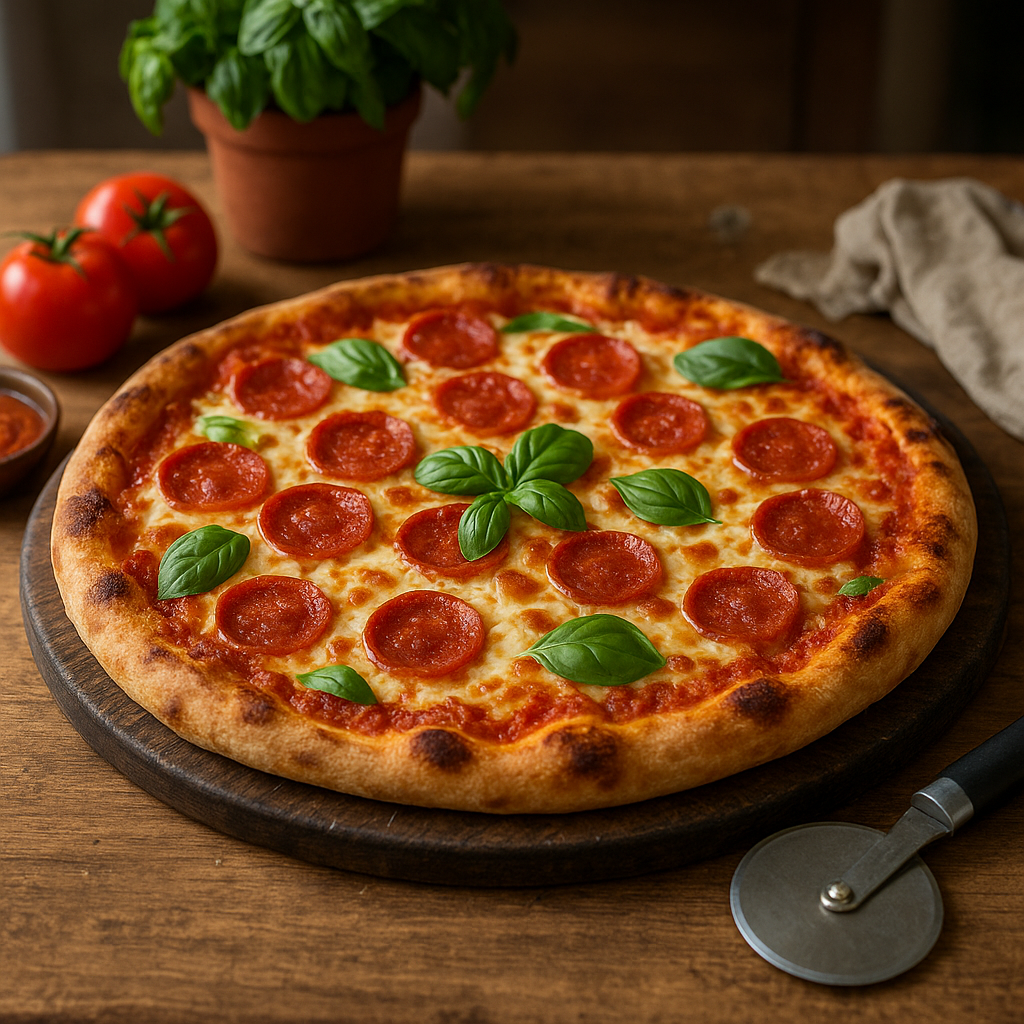
How to start a pizza business from home
I have tracked the food sector across Russia and the CIS for over a decade, and the landscape has shifted dramatically. If you are looking at how to open a pizza restaurant or just want to test recipes before leasing space, you are dealing with a completely different operational reality than ten years ago. The traditional model demanded heavy capital, prime street frontage, and massive foot traffic. Today, precision, thermal management, and direct delivery networks drive profitability. Let me walk you through what actually works in the current market.
Start a pizza business: the historical pivot
Decades ago, launching meant securing a commercial lease, buying imported ovens, and navigating rigid zoning laws. The dynamics were slow and capital heavy. Now, the industry moved toward micro-production and localized fulfillment. Operators realized they could control dough hydration, fermentation timelines, and topping distribution in compact residential or commissary kitchens. The barrier to entry dropped, but the margin for error vanished. You cannot survive on passion alone when ingredient costs fluctuate and delivery apps compress your margins. You need a grasp of core terminology: cold proofing, thermal recovery, hydration percentages, and batch consistency. Without these, your product fails regardless of your branding.
Opening a pizza shop versus residential setups
Running a residential kitchen operation requires strict adherence to local health codes. Inspectors check cross-contamination protocols, surface sanitization, and temperature logging. The rules vary by municipality, but the baseline remains the same: food safety is non-negotiable. I always cross-reference regional guidelines before purchasing supplies. You can track updated compliance frameworks at industry portals or review passive resources like https://www.rbc.ru/life/ for market context. Compliance is not paperwork. It is your license to operate.
The modern operator does not compete on dining room size. You compete on crust integrity, delivery speed, and transparent sourcing. That is the only metric that survives market compression.
| Operational Phase | Primary Focus | Timeline |
|---|---|---|
| Validation | Recipe testing, dough fermentation trials, packaging sourcing | 6-8 weeks |
| Infrastructure | Oven calibration, ventilation, POS setup, permit filing | 3-4 weeks |
| Soft Launch | Limited radius testing, feedback loops, delivery integration | 2-3 weeks |
Starting a pizza shop: equipment and workflow
When people ask about scaling, they usually picture marble counters and open kitchens. That is theatrical. The real engine is thermal consistency and prep efficiency. A reliable deck oven with fast heat recovery, a commercial spiral mixer, and a dedicated staging area form the backbone of your setup. I have seen too many founders fail because they bought cheap gear instead of investing in temperature stability. If your oven drops during peak hours, your bake times stretch, your moisture content ruins the crust, and your unit economics collapse.
How to open pizza shop supply chains
Vendor consistency dictates your daily output. Flour ash content, cheese melt rate, and tomato acidity must stay within tight tolerances. I track supplier performance across multiple regions, and the difference between a stable operation and a struggling one often comes down to backup logistics. You cannot recieve last-minute deliveries when you are running a tight schedule. Map your primary and secondary vendors, negotiate bulk pricing on core items, and lock in delivery windows that align with your prep cycles.
- Implement a digital scale for precise topping distribution and waste reduction
- Track hydration ratios weekly to adjust for seasonal humidity shifts
- Calibrate oven thermometers monthly to maintain accurate bake profiles
- Define a strict delivery radius to preserve temperature and crust structure
How to start a pizza restaurant: unit economics
Capital allocation determines your runway. Renting a shared kitchen space initially cuts overhead while you validate demand. Once daily volume stabilizes, moving to a dedicated facility becomes viable. I always advise monitoring cost per unit against average order value. If your margins slip below twenty percent, you need to renegotiate contracts or trim your menu. Growth is not about opening new locations. It is about optimizing the core workflow until every component runs on autopilot.
Owning a pizza shop: long term trajectory
The market rewards precision, not improvisation. You will face equipment wear, supplier delays, and shifting consumer preferences. That is the baseline reality. Adapt your fermentation schedules, adjust your prep windows, and keep your inventory turnover high. The operators who treat their kitchen like a controlled environment survive the volatility. Those who rely on guesswork burn through capital and exit quietly. The path forward requires steady iteration, strict adherence to your standards, and relentless focus on product consistency.