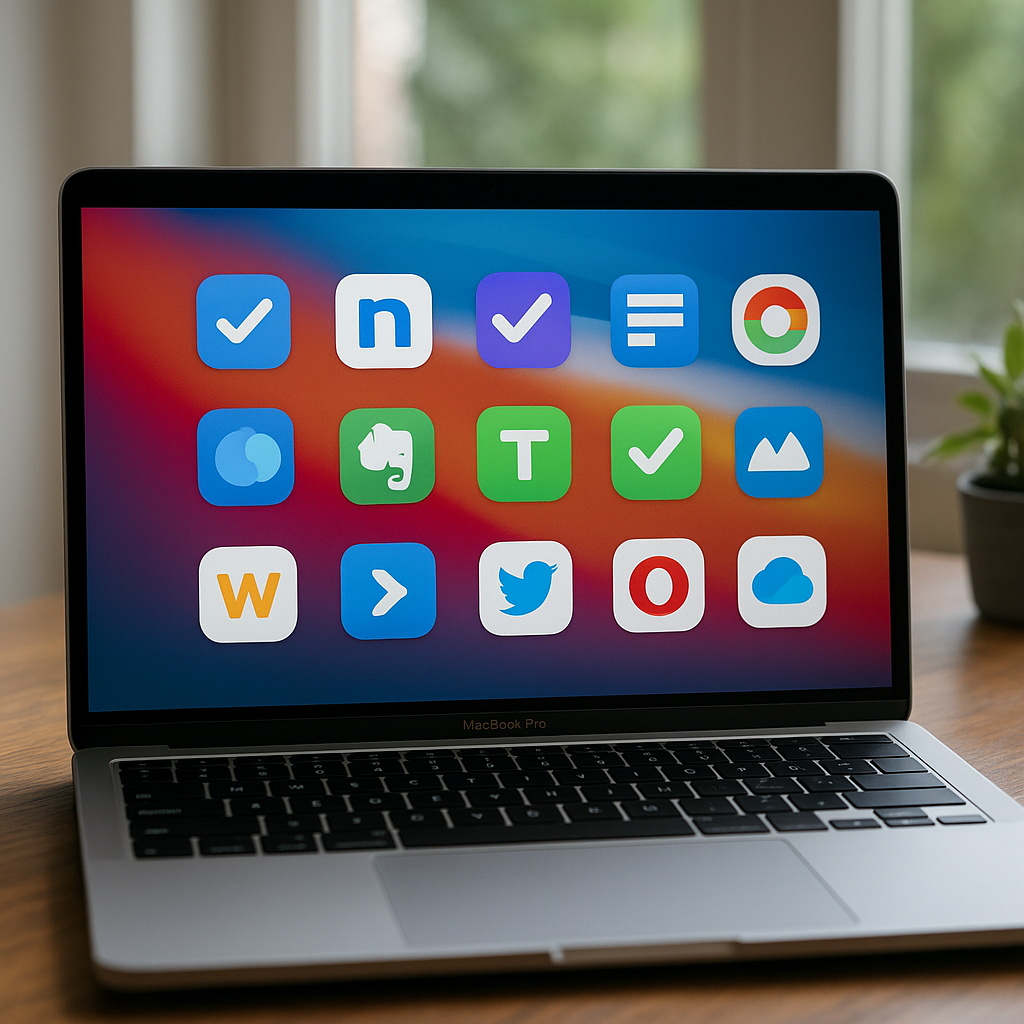
Best free productivity apps for mac
When I swapped my old Windows rig for Apple hardware back in twenty nineteen, the ecosystem felt polished but oddly restrictive. Over the last five years, that perception flipped completely. We moved from clunky desktop shortcuts and scattered paper planners to integrated digital workspaces that actually track human behavior. The modern macos productivity apps market is dense, layered with overlapping features, and frankly, overwhelming if you do not know where to look. I spent months testing different stacks across remote work, content creation, and academic research. This breakdown covers what actually holds up, how the terminology shifted from simple task lists to workflow automation, and why the current generation of tools demands a completely different setup strategy than the early two thousands.
Understanding best mac apps productivity trends
You need a baseline before diving into software comparisons. Task management means breaking projects into executable steps. Workflow automation refers to chaining repetitive actions without manual clicks. Focus modes are system-level filters that block notifications during deep work blocks. Back in the late nineties, people relied on physical day planners and basic spreadsheet trackers. Today, the architecture is modular and highly contextual. Apple Silicon processors enabled background sync that barely touches battery life, while local machine learning now predicts your next action before you type it. The transformation is structural, not cosmetic. What used to take five separate utilities now runs inside a single lightweight hub.
best macbook apps for productivity in real workflows
Most professionals I talk to share the same bottleneck: tool fatigue. You want software that launches instantly, stays out of the way, and scales when deadlines hit. The best productivity apps for mac free usually strip away premium integrations but keep core functionality rock solid. That tradeoff works perfectly if you value stability over endless plugins. I noticed a measurable drop in mental friction after switching to a single-hub approach. The setup takes an afternoon, but the payoff compounds weekly.
| Tool Category | Primary Function | Resource Impact | Best For |
|---|---|---|---|
| Task Managers | Priority sorting & deadlines | Low | Freelancers & project leads |
| Note Ecosystems | Knowledge capture & linking | Medium | Researchers & writers |
| Focus Utilities | Distraction blocking & timers | Minimal | Deep work practitioners |
When evaluating options, ignore marketing screenshots. Look at how the app handles file permissions, offline access, and cross-device sync. The mac productivity software that survives long term usually avoids feature bloat and focuses on one core problem. You will recieve better results when you stop chasing every new feature and stick to a proven stack.
Efficiency is not about doing more things faster. It is about removing friction from the things that actually matter. A well-chosen digital stack should feel invisible.
Why best organization apps for mac matter more than ever
Information overload did not disappear with cleaner interfaces. It multiplied. We now manage emails, chat threads, cloud drives, and calendar invites simultaneously. The cognitive load is real. That is where dedicated productivity tools for mac step in. They create boundaries. Instead of context-switching every three minutes, you batch similar tasks and let the software handle routing. The transition from passive note-taking to active knowledge management changed how I approach complex projects. You no longer store information; you build interconnected systems that answer questions before you ask them.
Choosing the right productivity app for mac
- Check native Apple Silicon support for smooth performance
- Verify data export options before committing to a free tier
- Prioritize keyboard shortcuts over mouse-heavy interfaces
- Test offline functionality during network outages
- Avoid tools that require constant cloud connection for basic tasks
The market shifts fast. What worked in twenty twenty three feels outdated now. Cloud architecture matured, local processing improved, and developers finally listened to power users who demanded privacy controls. If you browse current tech forums or read analyses like the one on 9to5Mac, the consensus points toward leaner, system-integrated utilities. Even passive reviews from industry trackers confirm that native solutions now outperform heavy third-party suites in battery efficiency and background stability. For deeper regional insights, developers in CIS tech circles often share benchmarks on Habr, highlighting how localized workflows adapt to global tools.
best mac apps 2026: where the ecosystem is heading
The next phase is already visible. Context-aware interfaces will replace static menus. Predictive text will expand into action prediction. File organization will become semantic rather than folder-based. I expect most users to migrate away from monolithic platforms toward micro-apps that communicate through secure APIs. The macbook productivity apps category will shrink in name but grow in capability. You will not need five separate programs when one smart hub can route tasks, parse documents, and schedule deep work blocks. Build a foundation now, test regularly, and keep your toolkit tight. Your future self will thank you when deadlines pile up and teh system still runs cool.